A realistic whole‑home remodel budget starts with your home’s value, square footage, and how “high‑end” you want to go, then adds a contingency for surprises. For many full remodels, homeowners end up in the low‑ to mid‑six‑figure range, especially in metro areas like Dallas.
1. Set Your Top‑Line Budget
- Use guardrails like: aim to spend no more than about 20–30% of your home’s current value on improvements if you care about resale and not over‑improving.
- For a gut‑style whole‑home remodel, a rough range of 60–15060–150 per square foot is common, depending on finishes and structural work.
2. Break It Down by Space
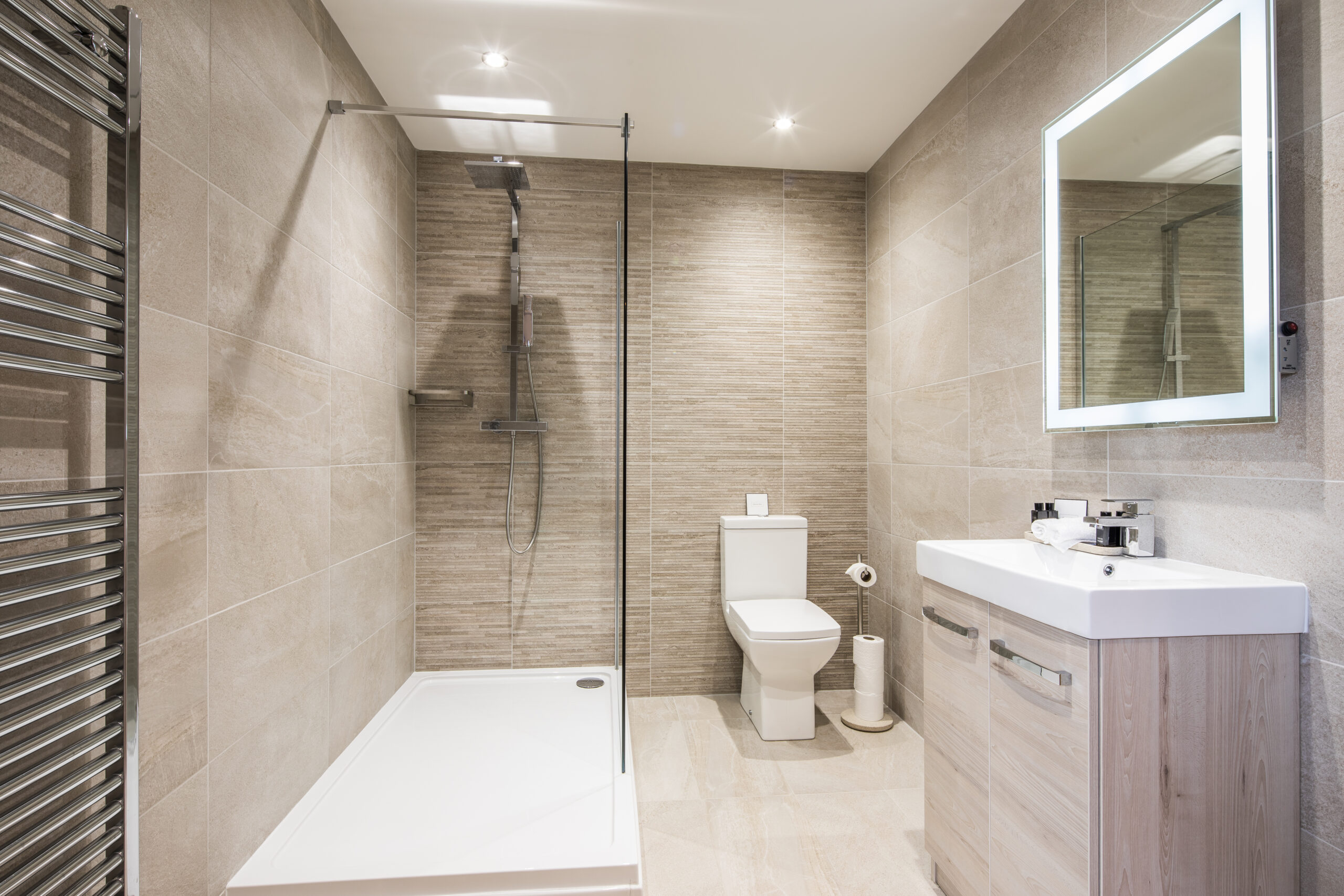
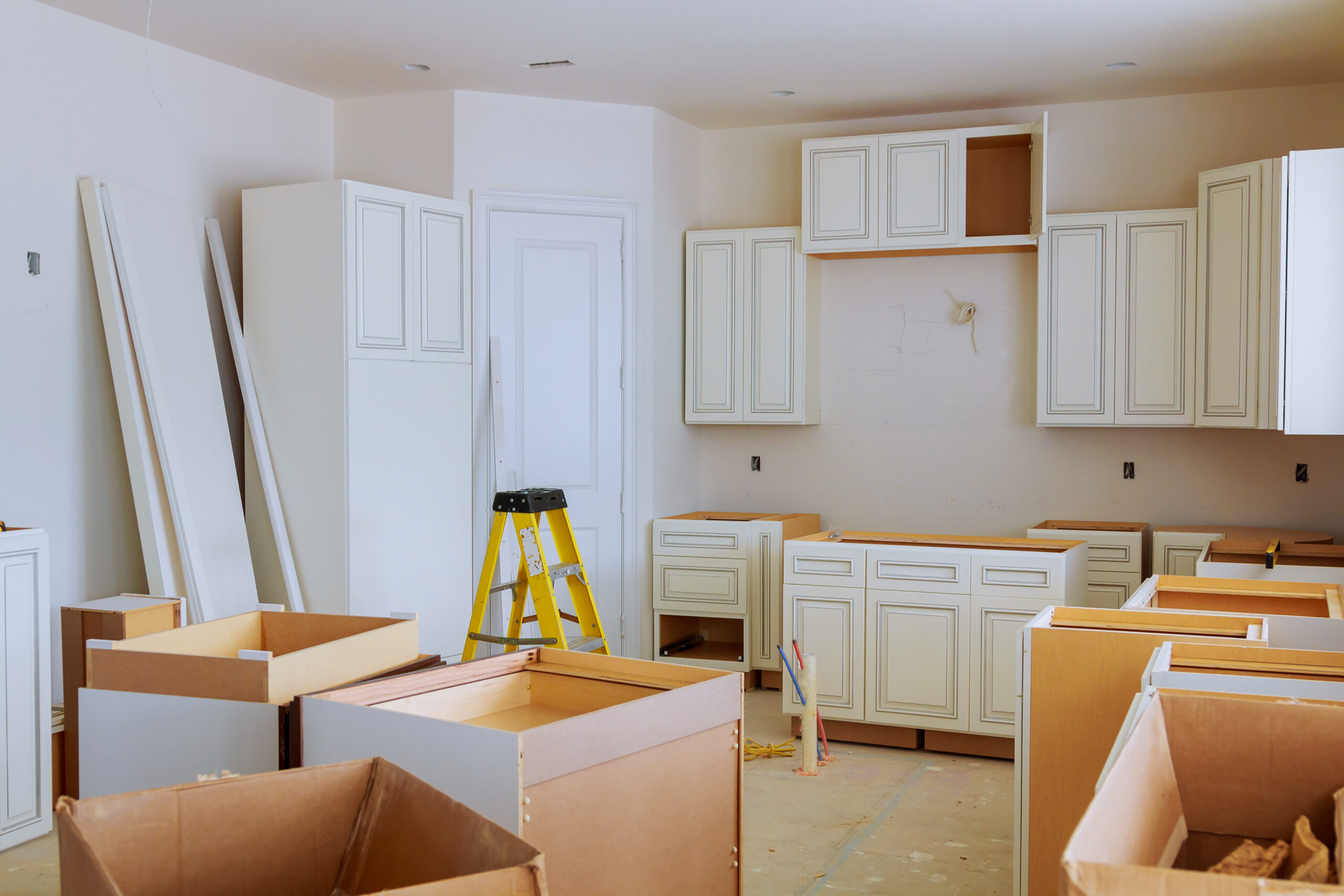
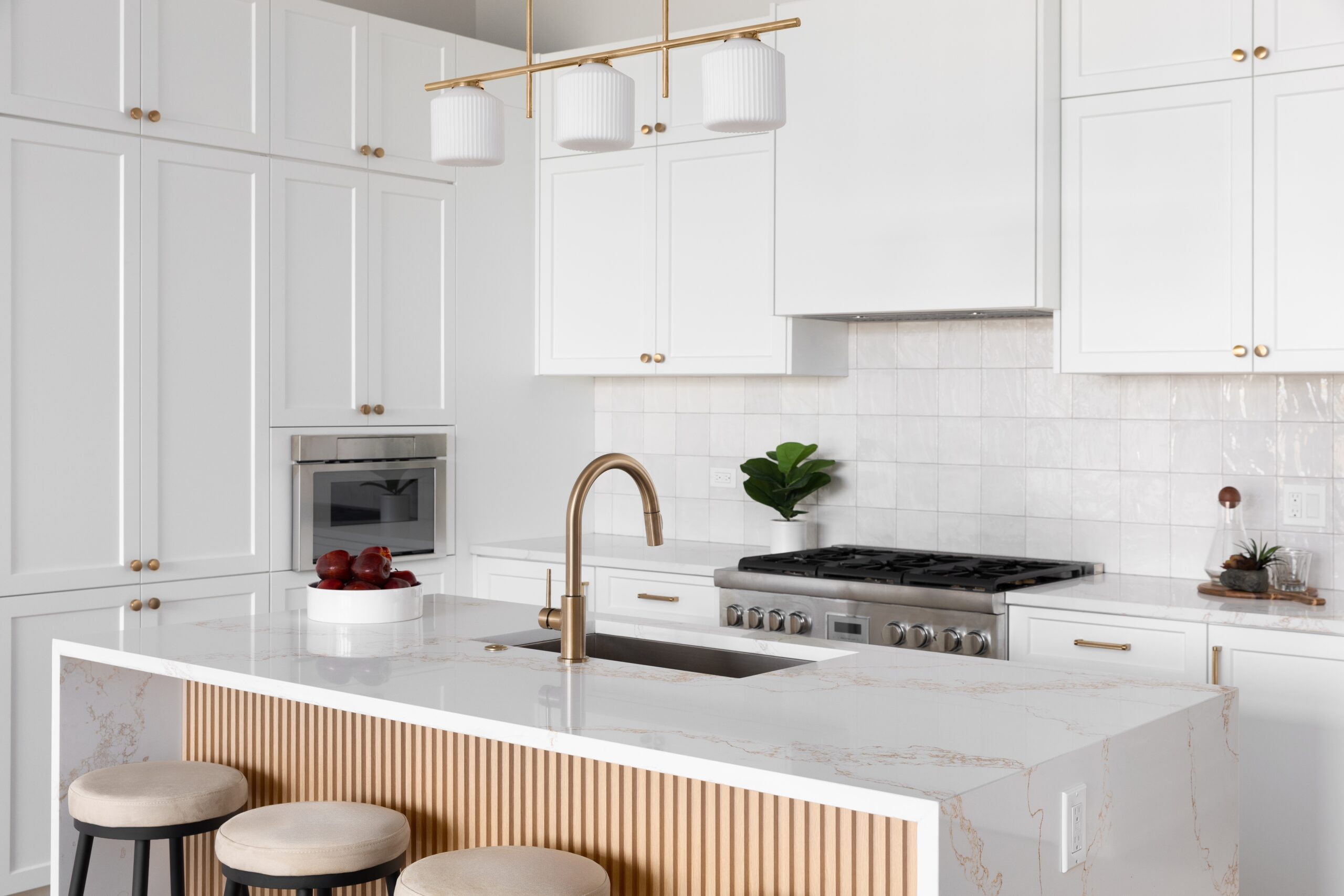
- Typical ranges often look like: kitchens 25–35% 25–35% of the budget, bathrooms 15–25% 15–25%, living/bedrooms and other spaces making up the rest.
- Example ballparks: in Texas, kitchens can run roughly 25,000–75,000+25,000–75,000+, baths 10,000–50,00010,000–50,000, and full‑home projects from around 100,000100,000 to several hundred thousand depending on size and level of finish.
3. List All Cost Categories
- Include: design/architect, permits, demolition, structural work, plumbing, electrical, HVAC, insulation, drywall, flooring, cabinets, countertops, tile, paint, fixtures, landscaping, and cleanup.
- Don’t forget “soft” costs like temporary housing, storage, or eating out more while kitchens or main baths are offline.
4. Create a Line‑Item Budget
- Put each room/area in a simple spreadsheet and assign a target amount to each, then plug in actual contractor bids as they come in.
- Use allowances (e.g., “tile: up to X per square foot”) so you can adjust finishes up or down while keeping the total in range.
5. Add Contingency and Reality‑Check
- Add at least 10–20% contingency on top of your planned total to cover hidden issues like bad wiring, plumbing surprises, or structural fixes.
- Compare your total to recent remodels of similar homes in your neighborhood so you don’t outspend what the market will bear unless you’re knowingly paying for personal preference.
If you share your home’s square footage, rough value, and how “basic vs high‑end” you want the finishes, a sample budget table with suggested ranges per room can be drafted.